
OUR VISION
A different approach to
development
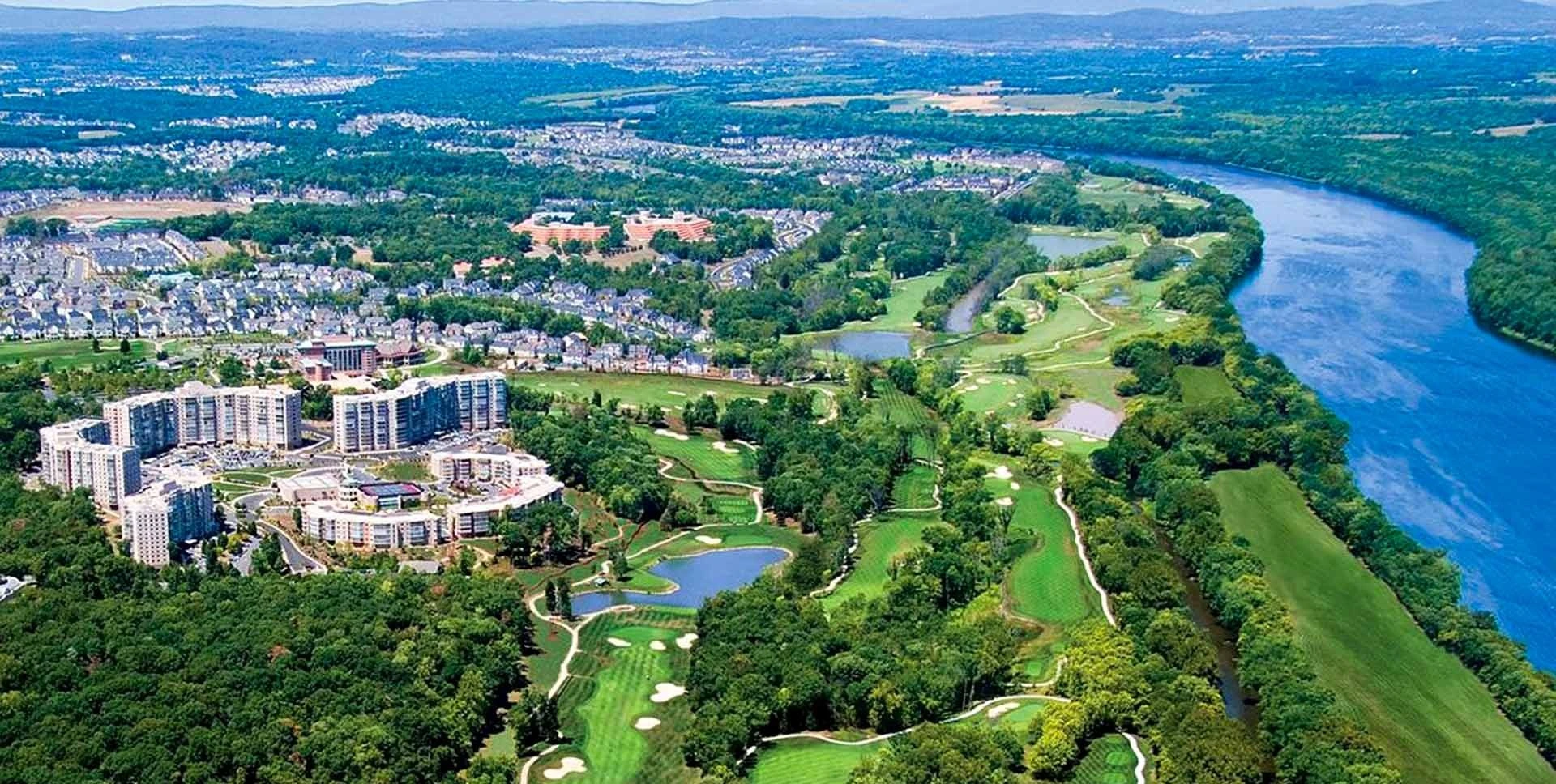
Spring Valley Technology Park has been planned around the characteristics of the property itself. The project preserves nearly 60% of the site as permanent open space while incorporating substantial setbacks, existing tree preservation, environmental protection, and transportation improvements. The objective is straightforward: accommodate digital infrastructure that enhances quality of life, connects us, catalyzes innovation & economic growth, and supports critical public and private sector services, while respecting the landscape and surrounding community.
WHY THIS SITE
Why This Land,
This Way
Not every property can support this type of development while preserving a significant portion of the landscape. The size, existing natural features, and location of this site made it possible to reduce development intensity while maintaining extensive open space and enforceable environmental and quality of life protections.
From the earliest stages of planning, the site’s existing woodlands, stream corridors, topography, and tree canopy influenced the design. Buildings were positioned to preserve natural features wherever practical, incorporate substantial setbacks from neighboring properties, and maintain extensive buffering along surrounding roads. Rather than maximizing the amount of land that could be developed, the plan intentionally preserves nearly 60 percent of the property as permanent open space while maintaining an approximately 0.24 floor area ratio—substantially lower than many comparable cloud infrastructure campuses in Loudoun County.
The result is a campus designed to fit within the landscape rather than redefine it.
THE PRINCIPLES THAT GUIDE US
Planning Principles
The project is guided by several planning principles that influenced site design throughout the entitlement process.
1. Preserve More Land
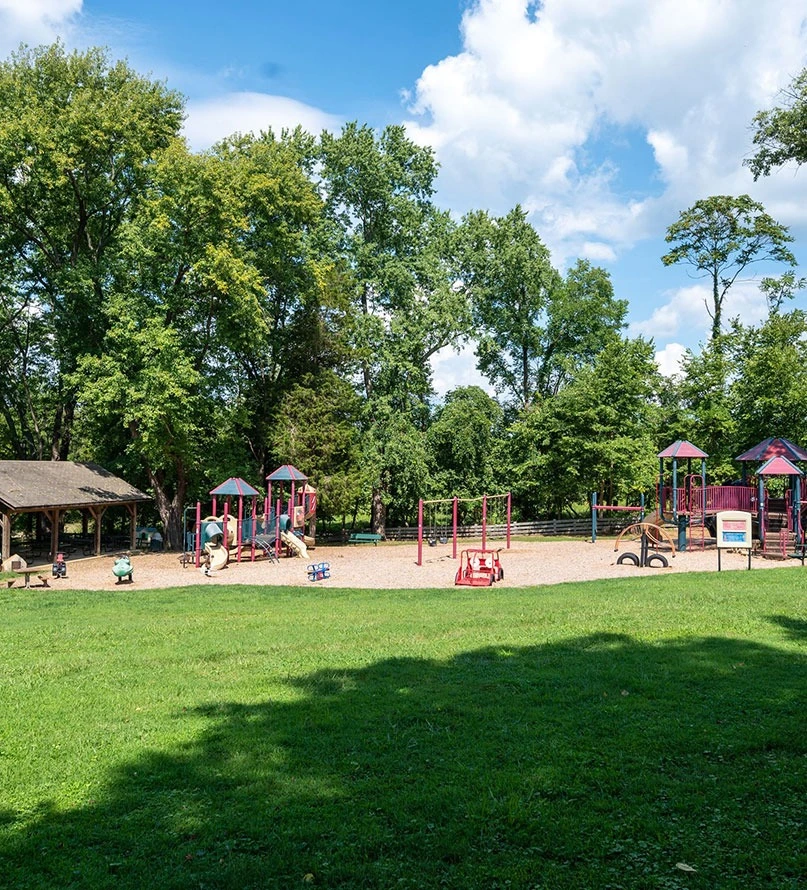
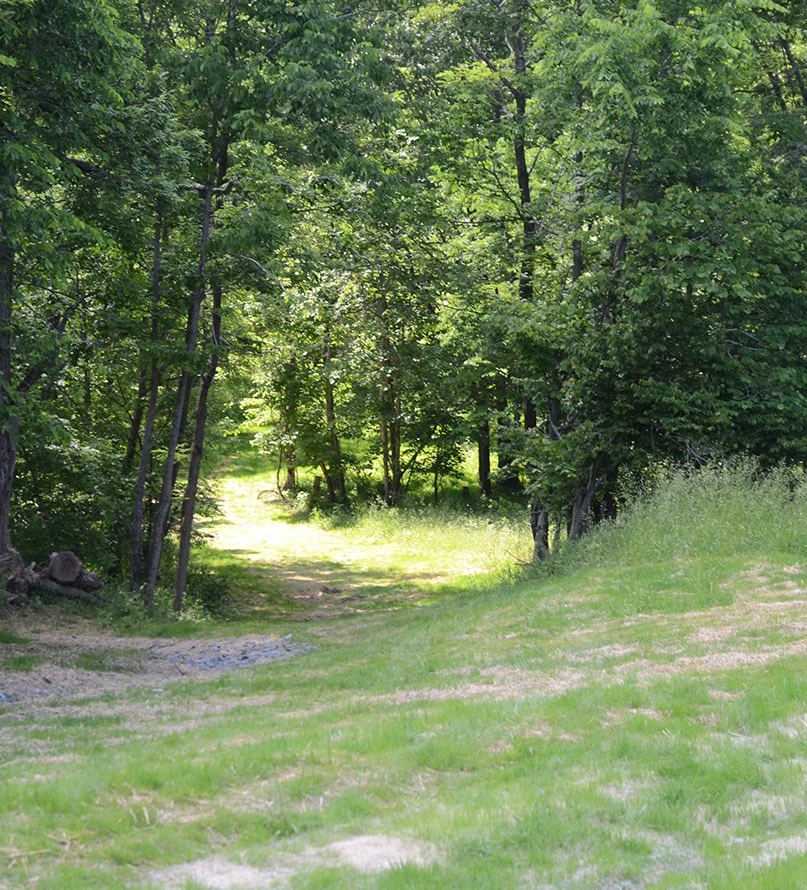
Nearly 60 percent of the property remains permanent open space, including preserved woodland, stream buffers, steep slopes, and tree conservation areas.
2. Reduce Visibility
Buildings are located behind existing tree lines with substantial setbacks, layered landscaping, architectural screening, enclosed equipment, and dark-sky lighting standards designed to reduce visual and operational impacts.
3. Fund Required Infrastructure
The project funds 100% of the infrastructure necessary to support development, including roadway improvements and utility infrastructure required through the public review process.
4. Be Clear About What Is Still Evolving
Some elements of the project remain subject to engineering, utility coordination, and future end-user requirements. Where that is the case, we identify those items rather than suggesting greater certainty than currently exists.
5. Improve the Property
Environmental restoration, reforestation, stormwater management, transportation improvements, and habitat enhancements are intended to leave SVTP and surrounding Evergreen Mills Road corridor in better condition than before development.
WHO’S BEHIND SPRING VALLEY
About Active Infrastructure
Spring Valley Technology Park is developed by Active Infrastructure, a team of national real estate developers whose team includes experts in residential development. The members of Active’s leadership team have spent decades working at the intersection of economic development, infrastructure, energy, utilities, real estate, and the public sector. Collectively, that experience has included collaborating with dozens of electric utilities, local governments, economic development organizations, labor unions, higher education institutions, and private industry on projects that support long-term economic growth and critical infrastructure while committing to and delivering transformational and long-term public benefits.
Our work has involved helping communities evaluate complex development opportunities, expanding utility infrastructure, supporting workforce development initiatives, advancing domestic manufacturing, and developing strategies that encourage local hiring, apprenticeship participation, supplier diversity, and local procurement. Members of our team have also helped develop community benefit and local labor policies adopted by public agencies to strengthen the economic impact of major development projects.
Spring Valley Technology Park reflects that approach. The proposal before Loudoun County today incorporates significant changes made during the entitlement process, including expanded open space, enhanced buffering, additional environmental protections, transportation improvements, and other refinements developed through ongoing discussions with County staff, technical reviewers, elected officials, homeowners’ associations, and nearby residents. As the project continues through review, we remain committed to providing clear information, answering questions directly, and continuing to engage with the community throughout the process.
That experience has reinforced a consistent principle: successful projects are shaped not only by engineering and design, but by listening to the communities where they are proposed, understanding local priorities, and working collaboratively throughout the public review process.
AN HONEST WORD ABOUT “DATA CENTER”
Understanding the Discussion
Data center development has generated significant discussion throughout Loudoun County. Questions about land use, visual impacts, transportation, energy, and water are reasonable and deserve straightforward answers.
Spring Valley Technology Park addresses those issues through specific design standards, enforceable development commitments we are proffering to, and continued public review. Those include substantial permanent open space, enhanced setbacks and buffering, roadway improvements, environmental protections, and all infrastructure funded by the project rather than local taxpayers.
No development is without impact. Our objective has been to reduce or eliminate those impacts through planning, engineering, making significant investments in innovative equipment and technology, and long-term stewardship of the property.
Learn More.
Spring Valley Technology Park should be evaluated based on its plans, commitments, and supporting documentation. We encourage you to review the project materials, explore the questions residents have raised throughout the process, and learn more about the commitments incorporated into the proposal.